 Skip to content

No products in the cart.
high ticket dropshipping, High-Ticket Dropshipping, Niche Selection & Product Research
The Ultimate High-Ticket Niche Validation Checklist (2025 Guide)
21
Aug
Aug
One of the biggest mistakes I see beginners make in high-ticket dropshipping is jumping into a niche without validating it first. They get excited about a product idea, build a store, and then wonder why the sales never come.
That’s why niche validation is the most important step in this business model. Choosing the right products and suppliers can literally mean the difference between a store that takes off and one that never gets off the ground.
In this guide, I’ll share my high-ticket dropshipping niche validation checklist, the same one I’ve used for years and that thousands of Drop Ship Lifestyle students use before launching their stores.
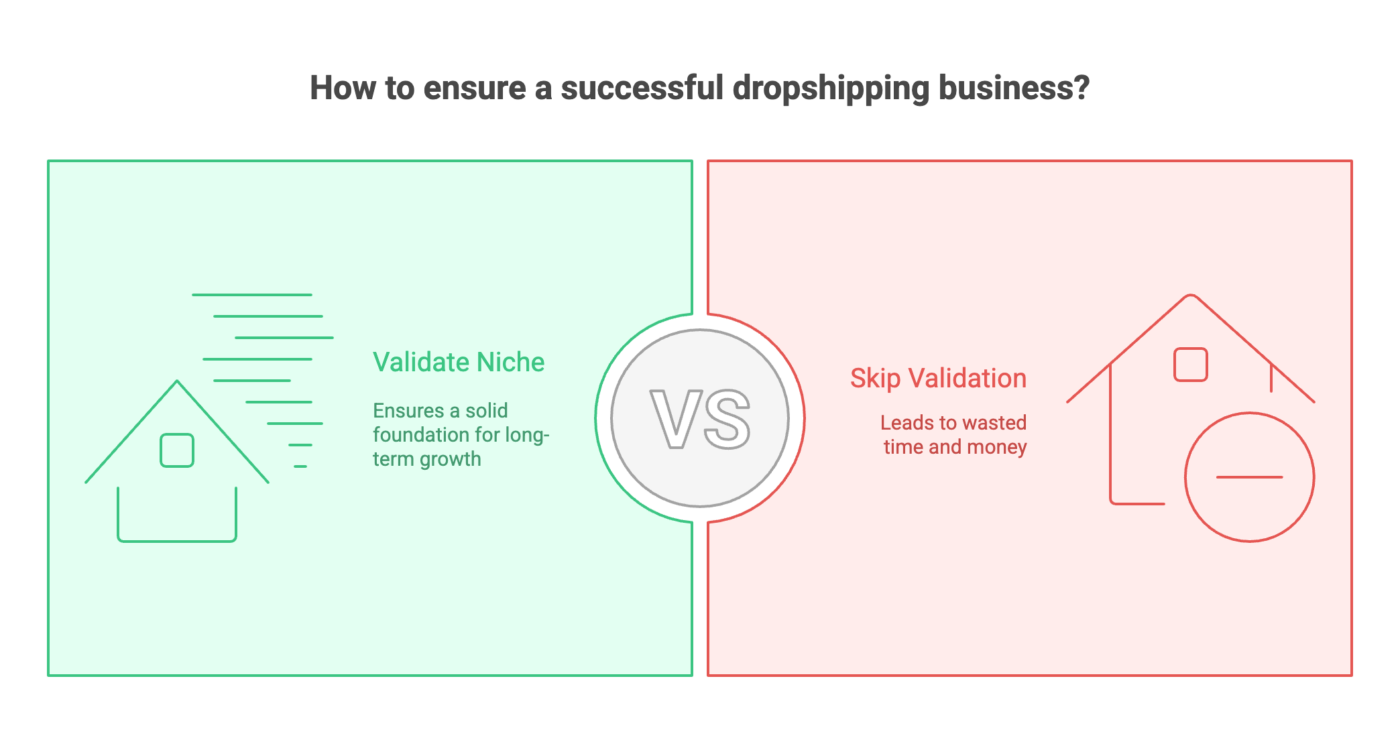
Think of it like building a house. If your foundation is shaky, it doesn’t matter how nice the paint or furniture is; it’s going to collapse.
In dropshipping, your foundation is the niche you choose. Validate it properly, and you’ll have a business that can grow for years. Skip this step, and you’ll waste time and money.
Here’s the step-by-step framework I recommend:
1. Price Point Over $200
Rule number one: make sure the products you sell are priced above $200. This is what makes it high-ticket dropshipping. Ideally, look for items between $500 and $2,000 for the best mix of demand and profitability.
2. Healthy Margins (25–30% Net)
A product may be expensive, but if the margins are slim, it’s not worth it. Always confirm you’ll have at least 25–30% net profit after supplier pricing, shipping, and fees.
3. Consistent Demand
Use Google Trends, keyword research, and competitor analysis to confirm people are searching for your products year-round. Seasonal products can be great, but you’ll want at least one evergreen niche to provide consistent revenue.
4. Multiple Suppliers Available
Never put all your eggs in one basket. A good niche will have multiple quality suppliers you can partner with, ideally USA suppliers if you’re targeting U.S. customers.
5. Strong Search Volume
You want keywords with real buyer intent. Look for search terms like “best for home” or “ online” with steady volume and commercial intent.
6. Not Oversaturated
If you see giant retailers dominating every search result, it may not be the right niche. Look for spaces where independent stores are ranking—this shows opportunity.
7. Manageable Shipping and Returns
High-ticket items are often bigger, but you don’t want something impossible to ship or with sky-high return rates. Choose niches where suppliers have reliable logistics and return policies.
8. Opportunity for Repeat Sales
The best niches allow for upsells, cross-sells, or repeat purchases. For example, if you sell saunas, you might also offer accessories, upgrades, or installation services.
9. Clear Branding Potential
Avoid random general products. You want niches where you can build a specialist store, become the authority, and stand out from “general” dropshippers.
10. Passes the Common Sense Test
Finally, ask yourself: Would someone reasonably buy this product online without seeing it in person? If the answer is yes, and it checks all the other boxes, you’ve found a winner.
Validating your niche is the most important step before building a high-ticket dropshipping store. Follow this checklist and you’ll avoid the mistakes beginners make while setting yourself up for success.
Remember:
If you want me to walk you through this process step-by-step, check out the Drop Ship Blueprint. It’s the same system that’s helped thousands of entrepreneurs pick winning niches and launch profitable stores.

